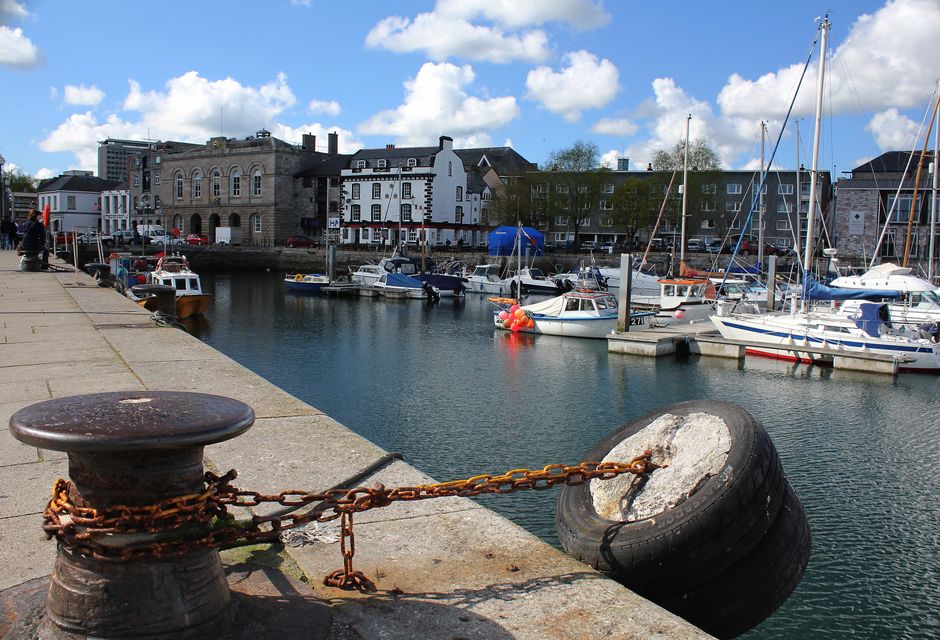
Swansea Marina furniture removals insider tips Wales
If you are planning a move in Swansea Marina, you already know this is not your average furniture removal job. Tight access points, waterfront weather, apartment blocks, lifts that may or may not be available, and the usual pressure of moving day can make even a straightforward sofa feel like a small engineering project. That is exactly why Swansea Marina furniture removals insider tips Wales matter: they help you avoid the easy-to-miss mistakes and keep the whole process calm, tidy, and on schedule.
This guide breaks the move down in plain English. You will find practical advice on access, packing, timing, lifting, parking, costs, and the little local details people only learn after one or two stressful moves. Whether you are moving into a marina flat, out of a waterside apartment, or helping a family member shift a heavy dining set, the aim here is simple: save time, reduce risk, and make the day feel far less chaotic. Truth be told, most furniture removals go wrong in the small details, not the big ones.
For broader moving support, you may also find the information on furniture removals and home moves useful when planning the wider job.
Table of Contents
- Why Swansea Marina furniture removals insider tips Wales matters
- How Swansea Marina furniture removals insider tips Wales works
- Key benefits and practical advantages
- Who this is for and when it makes sense
- Step-by-step guidance
- Expert tips for better results
- Common mistakes to avoid
- Tools, resources and recommendations
- Law, compliance, standards, or best practice
- Options, methods, or comparison table
- Case study or real-world example
- Practical checklist
- Conclusion
- Frequently Asked Questions
Why Swansea Marina furniture removals insider tips Wales Matters
Swansea Marina looks easy on a map, but removals there can be deceptively fiddly. Waterfront apartments often mean shared corridors, loading bays, restricted parking, awkward corners, and the need to work around neighbours, visitors, and building rules. Add in Wales weather, which can turn from mild to miserable by teatime, and you have a move that needs a bit more thought than "hire a van and hope for the best".
The real value of insider tips is not fancy theory. It is avoiding delay. A piece of furniture that fits your home perfectly can still become a problem at the Marina if it is too tall for the lift, too wide for the stairwell, or too heavy to carry safely without the right team and equipment. The same goes for parking a van too far away, or discovering that you need to remove table legs before you can clear a narrow doorway. Small issue. Big headache.
Good planning also helps protect the furniture itself. Scratches, chipped veneers, crushed corners, and torn upholstery often happen because someone rushes the job. In our experience, a careful thirty-minute prep session can save you hours later. That is especially true with larger items like wardrobes, beds, sideboards, and glass-top tables.
Expert summary: In Swansea Marina, the move usually succeeds or fails on access planning, protection, and timing. If you get those three right, the rest becomes much easier.
How Swansea Marina furniture removals insider tips Wales Works
At its core, furniture removal is a sequence of practical steps: assess the item, prepare the route, protect the furniture, move it safely, load it correctly, and place it at the new address without damage. That sounds simple, but marina properties add a few extra layers.
First, you assess access at both ends. Not just the front door, but stair turns, lift dimensions, corridor width, ceiling height, and where the van can realistically stop. Next, you strip down any furniture that can be safely disassembled. Then you pack protectively using blankets, wraps, tape, and boxes where needed. After that comes lifting and loading, with heavier items positioned to prevent movement during transit. Finally, you unload in the right order so the most awkward item does not end up blocking everything else.
If you are using a removal company, a man with van service, or a larger vehicle such as a moving truck, the principle stays the same. The difference is scale and support. Smaller loads can suit smaller vehicles, while full-house or multiple-room moves often need a more structured service.
For some moves, especially flats with stair access, flat removals are the most sensible fit. If your move involves a lot of furniture or a long carry, it can also be worth looking at removal services rather than trying to stitch the day together yourself.
Key Benefits and Practical Advantages
The best furniture removals are not just about getting items from A to B. They reduce stress, protect your belongings, and make the move feel manageable. That matters in a busy place like Swansea Marina, where timing and access can be a bit unforgiving.
- Less damage risk: Proper wrapping and handling cut down on chips, scuffs, and broken fittings.
- Better time control: If furniture is labelled and ready, the move can run much more smoothly.
- Safer lifting: Heavy or awkward items are easier to handle with the right equipment and enough people.
- Less neighbour disruption: Faster loading and quieter handling make life easier in shared buildings.
- Lower stress: When the route, van space, and item order are planned properly, the whole day feels calmer.
There is also a financial angle. Damage, repeat trips, parking delays, and last-minute storage can all push costs up. If you are weighing options, checking pricing and quotes early can help you compare like for like rather than guessing later and hoping it works out.
And there is one more practical benefit people often miss: a cleaner unpack. When the move is organised in advance, items arrive in the right order and the new place feels usable sooner. Not glamorous, but very satisfying.
Who This Is For and When It Makes Sense
This kind of move is not only for people with a full house of furniture. It is useful for a surprising range of situations.
- Residents moving into or out of marina apartments who need help with lifts, stairs, or parking.
- Families relocating within Swansea or wider Wales and taking larger items with them.
- Students or young professionals with a few key pieces, a bed, desk, or sofa that still need careful handling.
- People downsizing who need to move only selected furniture and maybe put some items into storage.
- Anyone handling awkward or fragile items such as mirrors, glass cabinets, or upright pianos.
If you are moving a smaller load, a removal van or man with a van arrangement may be enough. If the job is more involved, especially with multiple rooms, tight deadlines, or a need for packing help, a wider service may make more sense.
It also makes sense if you simply do not want to spend a Saturday wrestling a wardrobe through a stairwell while everyone else in the building pretends not to watch. Been there, or at least it feels like we have.
Step-by-Step Guidance
Here is the cleanest way to approach a Swansea Marina furniture move without getting caught out.
- Measure before you do anything else. Measure the furniture, doorways, stair turns, lift interior, and the route from flat to van. Do not guess. Guessing is how a sofa becomes a hallway ornament.
- Decide what needs dismantling. Beds, table legs, shelving, and some wardrobes move far better when broken down into safer, lighter parts.
- Clear the route. Hallways, balconies, entry points, and the loading area should be free of clutter, loose mats, and anything you might trip over.
- Protect every fragile surface. Use blankets, padding, and proper wrapping for corners, glass, polished wood, and upholstery.
- Label screws and parts. Small bags for fixings save a lot of frustration later. Tape them to the relevant item if needed.
- Plan the loading order. Put large, sturdy items in first, then stack lighter or more delicate pieces around them in a stable way.
- Reserve time for unloading. The new place can be just as tricky as the old one, particularly if the lift is shared or parking is limited.
- Check the final walkthrough. Look in cupboards, behind doors, under beds, and in balcony storage before the van leaves.
One useful rule: if an item needs two people to lift it safely, treat it that way from the start. Do not let enthusiasm do the job of proper lifting technique.
Expert Tips for Better Results
These are the small, practical moves that make a noticeable difference.
1. Move early in the day if possible
Morning starts often work better because building traffic is lighter, loading bays are easier to use, and everyone is less tired. By late afternoon, small delays feel larger than they really are.
2. Protect corners twice
Furniture corners take the first hit when you turn through tight spaces. Extra padding there is never wasted. Not even close.
3. Use the right service level for the job
If you only need one or two large pieces moved, a lighter service can be sensible. If you are moving several rooms, you may be better served by a more complete arrangement, such as house removals or even house removalists where the job needs a more coordinated approach.
4. Keep a "first-night" furniture set separate
Make sure the bed, one lamp, a small table, and essential seating are easy to reach. You do not want to be unpacking every box just to find somewhere to sit with a cup of tea.
5. Think about storage before the move, not after it
If you are waiting on keys, renovations, or room clearance, temporary storage can reduce pressure. For that kind of gap, storage can be a useful buffer rather than an emergency fix.
6. Ask for insurance clarity
Do not assume cover is automatic. It is sensible to understand how the removal provider handles care, damage, and transport. The page on insurance and safety is worth reviewing if you want reassurance before the day arrives.
7. Keep the building manager in the loop
This is boring admin, yes, but it often prevents avoidable delays. A quick word about access, lift use, and arrival times can save a lot of awkwardness later.
One little human truth: removals are rarely ruined by the big pieces. They are usually upset by the missing details. A forgotten parking arrangement. A loose shelf pin. A blanket left behind. That sort of thing.
Common Mistakes to Avoid
These are the mistakes that most often turn a decent move into a messy one.
- Not measuring properly: Especially for beds, wardrobes, and large sofas.
- Forgetting access restrictions: Marina buildings often have specific loading and parking rules.
- Overloading the van: A packed van is not the same as a properly secured van.
- Skipping dismantling: Keeping furniture intact can make it harder, not easier.
- Using too little protection: A thin wrap on a sharp corner is wishful thinking.
- Leaving all boxes unlabelled: Unclear labels slow everything down and create avoidable stress.
- Ignoring weather: Rain and wind are a real issue on the waterfront, especially with cardboard and soft furnishings.
The other mistake is trying to save a little money in the wrong place. Sometimes that means choosing the cheapest option when your furniture really needs careful handling. Sometimes it means paying for a big vehicle when a smaller, better-planned move would have done the job. The right fit matters more than the headline price.
Tools, Resources and Recommendations
You do not need a huge amount of equipment, but the right basics make a big difference.
- Furniture blankets or padded wraps for wood, leather, and painted finishes.
- Strong tape and bagged fixings for dismantled parts, screws, and brackets.
- Gloves with grip to help with carrying and protect your hands.
- Straps or ties to stabilise items in the vehicle.
- Bubble wrap or corner protectors for glass and delicate edges.
- Markers and labels so rooms and parts stay organised.
In practical terms, many moves also benefit from packing support. If you are juggling furniture and smaller household items at the same time, packing and boxes can help you avoid the classic "everything in one random sack" approach. For larger or busier moves, packing and unpacking services can be a very sensible time-saver.
Sometimes the best recommendation is not a product, but a method: keep one room as the staging area, finish that room completely, then move to the next. It sounds basic. It works.
Law, Compliance, Standards, or Best Practice
For most household furniture removals, the main concern is not a complex legal process but good practice, safety, and sensible handling. In the UK, anyone moving furniture professionally should work with care, keep vehicles roadworthy and properly loaded, and avoid unsafe lifting or blocking access routes. If you are booking a provider, it is reasonable to expect clear terms, transparent pricing, and a sensible approach to care and security.
For your own move, best practice usually means checking building rules, protecting shared spaces, and making sure items are moved without endangering anyone. If the job involves stairs, heavy lifting, or awkward access, it is perfectly fair to ask how the team plans to manage it. That is not being fussy. That is being wise.
For peace of mind, some readers also like to review the company's public policies, including health and safety policy, terms and conditions, and payment and security. Those pages help set expectations before the van turns up outside.
Options, Methods, or Comparison Table
There is no single best way to move furniture in Swansea Marina. The right option depends on how much you are moving, how awkward the access is, and how much help you need.
| Option | Best for | Strengths | Trade-offs |
|---|---|---|---|
| DIY with a rented vehicle | Very small loads and short moves | Low upfront cost, flexible timing | More lifting, more risk, more planning burden |
| Man with a van | One to a few large items or a compact flat move | Good for smaller jobs, often efficient | May not suit bulky multi-room moves |
| Removal services | General household and furniture moves | More structure, better support, less stress | Usually costs more than DIY |
| Flat removals | Marina apartments and similar properties | Suited to stairs, lifts, and shared access | Needs good timing and access planning |
| Same day removals | Urgent, time-sensitive situations | Fast response, practical when plans change | Less room for preparation, not ideal for every move |
If you are unsure which route fits best, think about the bottleneck. Is it access, volume, timing, or fragile furniture? Once you know that, the decision becomes much easier.
Case Study or Real-World Example
Imagine a couple moving from a marina apartment into a house elsewhere in Swansea. They have a corner sofa, a king-size bed, a dining table with removable legs, two bookcases, and a cabinet with glass doors. The new property is ready, but the old building has a narrow shared corridor and a booked lift window.
The smoothest version of that move would look something like this: the sofa is wrapped and measured the day before; the table legs are removed and bagged; the glass cabinet is packed separately with clear labels; and the loading route is agreed in advance. On the day, the team arrives early, uses blankets and straps, loads the cabinet last so it can be unloaded first, and keeps a quick final sweep for screws, plugs, and remote controls. Nothing dramatic. Just well done.
Now compare that with the rushed version. The sofa is left assembled, no one checks the lift dimensions, the parking space is not reserved, and the weather turns wet halfway through. Suddenly everyone is tired, the hallway is crowded, and the move takes longer than it should. Same furniture. Very different day.
That is the point of insider tips. They do not make the move glamorous. They make it workable.
Practical Checklist
Use this checklist the day before your move, or even two days before if you can. It is simple, but it catches the problems people forget.
- Measure all large furniture and key access points.
- Confirm lift use, parking, and loading access.
- Remove or secure loose shelves, legs, cushions, and fittings.
- Label bags of screws and small parts.
- Wrap glass, polished wood, and fragile edges.
- Clear hallways, doorways, and entrance routes.
- Set aside essentials for the first night.
- Check whether storage is needed for any items.
- Review insurance, terms, and payment details.
- Keep phone numbers and arrival times handy.
Quick reminder: if an item looks awkward to carry, it probably is. That is not pessimism. That is experience talking.
For people moving between homes, the broader removals page can help frame the larger move, while students or temporary renters may find student removals more relevant if the load is lighter and timing is tighter.
Conclusion
Swansea Marina furniture removals insider tips Wales are really about making a complex little job feel ordinary. Measure properly, protect carefully, plan the access, and choose the right level of help for the size of the move. Do that, and you take a lot of the pressure out of the day before it ever starts.
The marina setting brings its own quirks, but none of them are unmanageable when you prepare well. A good move is not about luck. It is about the bits nobody sees: the tape on the corners, the route check, the lift booking, the extra blanket, the sensible loading order. Those details matter more than people think.
If you want a smoother, less stressful move, the next step is simply to compare your options and plan early rather than late. That small shift alone can save a lot of back-and-forth and a fair bit of worry too.
Get a free quote today and see how much you can save.
And if you are standing in a hallway with a screwdriver in one hand and a sofa that will not quite turn the corner, take a breath. You are not the first, and with the right plan, you will be absolutely fine.
Frequently Asked Questions
What makes Swansea Marina furniture removals different from a normal house move?
The main difference is access. Marina properties often involve lifts, shared corridors, parking controls, and tighter loading conditions. That means more planning is needed for furniture size, route checks, and timing.
How do I know if my sofa will fit through the Marina apartment door?
Measure the sofa at its widest point and compare it with the door width, hallway turns, and any lift or stair restrictions. If the sofa has removable legs or modular sections, that can make a big difference.
Should I dismantle furniture before moving it?
Usually, yes, if it can be done safely. Beds, tables, shelves, and some wardrobes move more easily when broken down. Just keep fixings clearly labelled so reassembly is not a headache later.
Is a man with a van enough for a Swansea Marina move?
It can be, especially for a small flat or a few larger items. But if you have multiple rooms, fragile pieces, or difficult access, a more complete removal service is often the better call.
How far in advance should I book furniture removals in Swansea Marina?
As early as you reasonably can. That gives you time to measure, sort parking, confirm building access, and avoid last-minute stress. If your move is urgent, same-day options may help, but preparation time will be limited.
What if I need storage between moves?
Storage can be a very practical bridge if your new place is not ready, you are downsizing, or you need to stage the move over a few days. It is better to plan for it than to leave items stranded.
How can I avoid damage to furniture during a move?
Use proper wrapping, protect corners, dismantle where sensible, and load items securely so they do not shift in transit. Glass, polished wood, and upholstered pieces all benefit from extra care.
Do marina flats have restrictions I should check first?
Often, yes. You should check lift booking rules, loading bay access, parking permissions, and any moving time windows. A quick check beforehand can prevent a very awkward delay on the day.
What should I look for in removal terms and conditions?
Look for clarity on what is included, how items are handled, how delays are treated, and how damage or complaints are managed. Clear terms are a good sign that the job will be handled professionally.
Can I move on the same day I get the keys?
Yes, sometimes. That depends on timing, access, and how much furniture you have. Same-day removals can be useful when plans change quickly, though the move still needs a realistic plan.
Are packing services worth it for a furniture move?
If you also have smaller household items, fragile belongings, or a tight schedule, packing help can save a lot of time. It is especially useful when you want the move to feel more organised and less rushed.
What is the biggest mistake people make with furniture removals?
Underestimating access. People often focus on the furniture itself and forget the route, the lift, the parking, and the corners. In marina moves, those are often the real bottlenecks.
For more background on the company's approach and standards, you can also review about us and the guidance on recycling and sustainability when disposing of unwanted furniture responsibly.