Removals in Wales for homes, flats and businesses

Removals in Wales should feel organised, careful and straightforward from the first conversation to the final item being set down. We provide a practical service for domestic and commercial moves, helping people relocate furniture, boxes and equipment with a clear plan and sensible handling. If you are moving across town, between counties or into storage, the work is built around the load, the access and the time available rather than a one-size-fits-all approach.
Our main service covers house removals, flat removals, office removals and smaller transport work through options such as a man and van. That gives customers a choice of support for a full property move or a lighter move that still needs proper loading, lifting and secure transit. The aim is to move belongings in a way that protects both the goods and the property while keeping the process easy to understand.
For many jobs, the best starting point is a short outline of what needs moving and where it is going. If you already know which rooms, items or access points are involved, that helps shape the right vehicle and crew. Share the essentials early and you can get a quotation that reflects the actual work rather than a rough guess. Contact us today for a quotation.
House and flat removals
House and flat removals are the core of what we do, and they usually call for a balance of planning, patience and safe handling. A family home move may involve furniture, wardrobes, appliances, boxed belongings and fragile pieces that need steady lifting and careful placement in the vehicle. Flats can add stairs, narrow corridors, lifts or parking restrictions, so the move needs to be managed around the building as well as the items themselves.
We can help with complete property moves or partial loads where only selected rooms or larger belongings are being relocated. That might include beds, sofas, dining furniture, garden pieces or miscellaneous boxes that are awkward to move in a personal vehicle. The benefit of a dedicated removals service is that the items are loaded with the move in mind, which reduces unnecessary handling and keeps the day more orderly.
Useful preparation is simple and does not need to be complicated. Label boxes clearly, keep essential items separate and let us know about awkward or heavy pieces in advance so the move can be planned properly. If parking, lift access or timing matters at either end, mention it early. That information helps us choose a practical approach and prepare for the route from the doorway to the vehicle.
Commercial and office relocation services

Commercial removals need a different rhythm from a house move because they often involve desks, chairs, storage units, files, IT equipment and business-critical items that must be handled in sequence. Our office removals service is designed around those practical demands. We can move workstations, furniture and boxed contents so the relocation is handled with care and the business can keep its move as organised as possible.
If your move involves more than one area, we can plan the loading order to suit the premises and the type of equipment involved. A small office relocation may need only a straightforward van and a small crew, while a larger workplace could benefit from a fuller removals arrangement. In either case, the important point is that the move is matched to the actual contents, access and destination rather than forced into a generic package.
For business customers, a clear inventory is often the most helpful preparation. It does not need to be complex: a room-by-room note, a few photographs or a short list of priority items can be enough to shape the work. If the move includes specialist furniture or items that should not be stacked, tell us in advance so those pieces can be handled sensibly and kept separate from everyday office loadings.
How the move is planned
Planning is what turns a difficult move into a manageable one. The practical details matter: the size of the load, the route between property and vehicle, whether items can be dismantled, and what needs to be delivered first at the other end. When these details are clear, it is easier to decide whether the job suits a full removals team, a smaller vehicle arrangement or a more flexible man and van option.
We also help with moves that involve a mix of item types. For example, one customer may need a few large pieces relocated while another has a complete household move with several fragile items and boxed contents. The service can be adapted to include the right level of handling, whether that means additional care for breakables, extra attention to stairs or a more measured loading sequence for bulky furniture.
Good removals are rarely about speed alone; they are about the right order, the right equipment and sensible expectations. A short conversation about access, packing status and the size of the move usually gives enough information to prepare a useful quotation. When you are ready, send the details and ask for a quote in plain terms.
Packing, boxes and unpacking support

Packing can be a major part of a removal, especially when a property contains breakables, mixed household goods or work equipment that needs grouping before transit. Our packing and boxes service supports people who want a more organised start to the move. It can cover the supply of packing materials, help with packing selected rooms or a fuller packing-and-unpacking arrangement where the move requires it.
Packing is most effective when it is done with the journey in mind. Heavier items should sit in smaller boxes, fragile items should be cushioned properly and contents should be grouped by room or function where possible. That makes loading simpler and reduces the chance of confusion after delivery. If the move includes items that cannot be packed together, or boxes that need to remain accessible, those points should be marked clearly before collection.
Unpacking support can also be useful after arrival, especially where a move includes a lot of boxes or a tight handover time. Rather than treating the whole load as one undifferentiated job, we can focus on the parts that benefit most from help. For some customers that means packing only selected items; for others it means completing the move and then dealing with the first essentials at the destination so the space becomes functional more quickly.
Furniture, specialist items and single-piece moves
Not every job is a full property relocation. Some customers need furniture removals for a sofa, wardrobe, table, bed frame or other single item that is too bulky or awkward for a standard car journey. Others need a furniture pick-up after a purchase or a sale. These smaller jobs still need proper care because larger items can be damaged by poor lifting, tight turns or incorrect loading if they are treated casually.
Specialist items deserve careful consideration as well. A piano move, for example, is not just another heavy lift; it needs measured handling and awareness of shape, weight and surface protection. The same principle applies to awkward pieces with glass, fixed shelving or fragile finishes. If you have a valuable or unusually shaped item, the move should be planned around the item itself rather than assumed to fit a routine loading pattern.
Where a customer only needs one or two pieces moved, a smaller vehicle arrangement can be a practical option. That keeps the service proportionate to the task and avoids paying for unnecessary capacity. It also suits customers who have bought furniture from a retailer or private seller and need it brought to the property without arranging a larger domestic move. Ask for a quotation if you have a single item or a small set of pieces to move.
Man and van options, short-notice moves and student removals

A man and van service is often useful when a move does not require a full removals team but still benefits from professional transport and lifting support. It can suit local collections, partial house loads, student moves or smaller relocation jobs where the number of items is limited but still too much for personal vehicles. The value lies in having the right vehicle and practical loading help without overcomplicating the booking.
Short-notice moves can be possible where the schedule allows, especially when the load is modest and access is straightforward. Student removals also tend to benefit from a leaner arrangement because the items are usually concentrated into boxes, bags, a few pieces of furniture and personal belongings. That keeps the service flexible, but it still benefits from a clear list of what is going, where it is being delivered and whether anything needs special handling.
If your move is small, a concise summary is usually enough: what is being moved, from where, to where and whether there are stairs, parking or time restrictions. That helps us match the job to a suitable vehicle and keep the quotation sensible. Simple details save time and reduce the need for back-and-forth, especially when the move needs to be arranged quickly.
About Wales
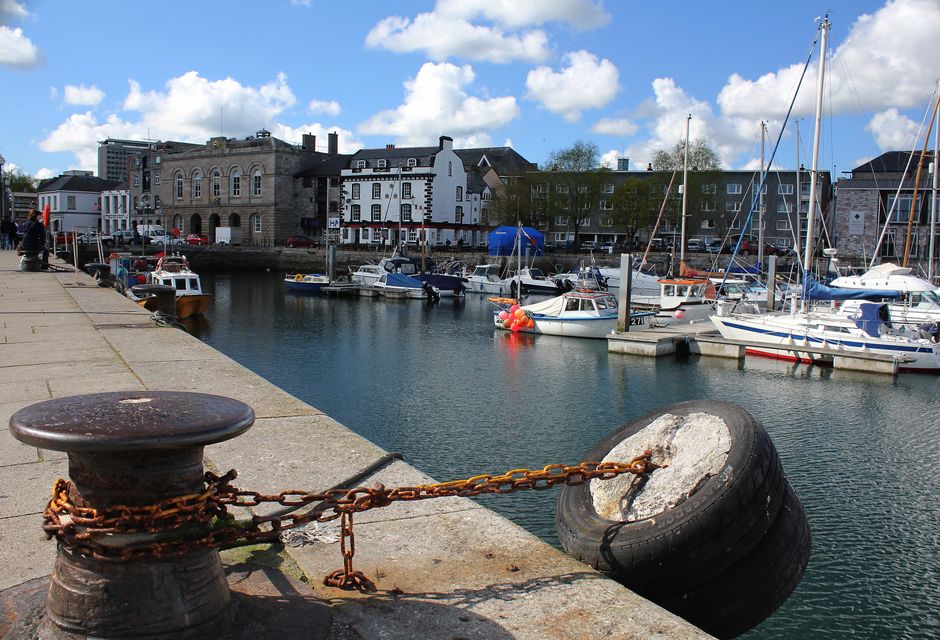
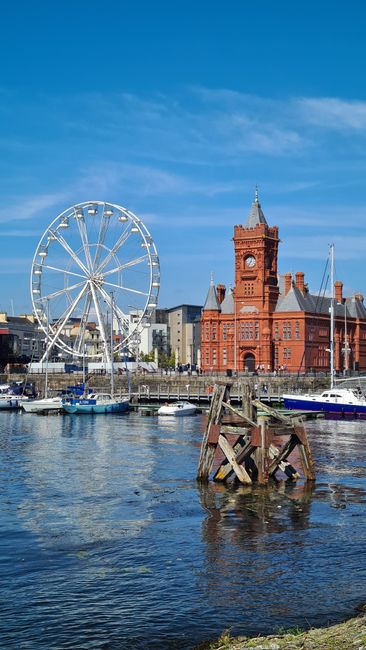
Wales is a country in the west of Great Britain, bordered by England to the east and the Irish Sea and Celtic Sea to the north and west. Its landscape is famously varied, moving from the mountain massifs of Eryri in the north to the valleys, coasts and river systems that shape much of the south. The country’s size and geography create a strong sense of contrast: upland interiors, industrial heritage towns, estuaries, seaside settlements and extensive stretches of rural land can all be found within relatively short distances. Cardiff, the capital, sits on the south coast and combines modern civic development with older districts and the remains of a long trading and administrative history. Swansea, Newport, Wrexham and Bangor each add their own urban character, while places such as St Davids and Hay-on-Wye are known for smaller-scale identity and cultural distinction. Wales also has a rich tradition of language and literature, with Welsh continuing to be spoken widely and celebrated through education, broadcasting and public life. Castles form one of the country’s most recognisable architectural themes, ranging from imposing medieval fortifications such as Caernarfon, Conwy and Harlech to later estates and civic buildings. National parks including Eryri, the Brecon Beacons and Pembrokeshire Coast protect mountain, moorland and shoreline scenery, while river valleys such as the Taff, Usk, Wye and Dee have helped shape travel, settlement and industry for centuries. Alongside that natural setting, Wales retains a visible industrial and maritime past, from coalfield communities and docklands to rebuilt waterfronts and regenerated town centres. This blend of landscape, heritage and contemporary civic life gives the country a distinctive identity that is both varied and coherent, with regional differences that remain easy to see in place names, architecture, accent and everyday culture.
Storage, access and larger move support
Some removals are best handled in stages rather than all at once. Storage can be useful when moving dates do not line up neatly, when renovation work is still under way or when only part of the load is ready to travel. In those situations, a removals plan may include transport to storage and then onward delivery later. That keeps the process flexible without forcing the customer to resolve every timing issue on a single day.
Access also has a major effect on how a move is handled. Narrow entrances, upper floors, difficult parking or long carrying distances can all influence the shape of the job. We take those details seriously because they determine how to load, what vehicle to use and how long the move may take to complete. Where a move involves substantial furniture or larger household loads, the practical arrangement matters more than the label attached to the service.
If the move includes items going into storage, or if the property has awkward access points, share that information when requesting a quotation. A move that looks simple on paper can require a different loading plan once access is considered. Being clear early helps us give a quote that is useful, fair and based on the task itself. That is the best starting point for a smooth removal.
Prices, quotations and what affects the cost

Quotation work is most useful when it reflects the real scope of the removal rather than a standard estimate. The main factors are usually the volume of items, the type of service needed, the distance travelled and the practical conditions at both properties. A straightforward move with easy access will be different from a multi-room relocation, a business move with equipment or a job that includes storage and repeat delivery.
Other details can also shape the quotation, such as whether items need dismantling, whether the move includes fragile furniture, whether packing support is required and whether access involves stairs or restricted parking. None of these points are unusual, but they all affect how the work is organised. That is why it helps to describe the move carefully at the outset rather than after the booking has already been made.
When you are ready, the simplest approach is to send the item list, the collection and delivery locations and any access notes you already know. We can then respond with a quotation that matches the type of removals you need. Request your quotation today and we will work from the details you provide.
Useful choices for different kinds of move
Different moves call for different service choices, and it is often helpful to think about the job in terms of practicality rather than size alone. A full household relocation may need furniture removals, packing support and transport to storage or a new address. A student move may only need a van and lifting help. An office relocation may need careful sequencing so that desks, files and equipment arrive in the right order for reassembly or setup.
To help you compare the options, it is useful to consider a few basic questions before making contact:
- Is this a full property move or only selected items?
- Do any items need packing, dismantling or special handling?
- Are there stairs, lifts or parking restrictions at either end?
- Will the move need storage or more than one journey?
- Is the job best suited to a full removals crew or a smaller van arrangement?
Those points are often enough to narrow the service to the right shape. Once the main facts are clear, the move can be prepared in a way that suits the property, the contents and the timetable. If you have already compared your options, the next step is simple: ask for a quotation and choose the arrangement that fits your move best.